
Engineering a Better Solution for the Gizmotron
When the team behind the revived Gizmotron needed help producing a critical shaft component, they were facing a challenge that threatened both product performance and production efficiency. By combining Swiss machining, centerless grinding, and collaborative engineering, PGI helped transform a difficult-to-manufacture part into a reliable, cost-effective production component.
The Challenge
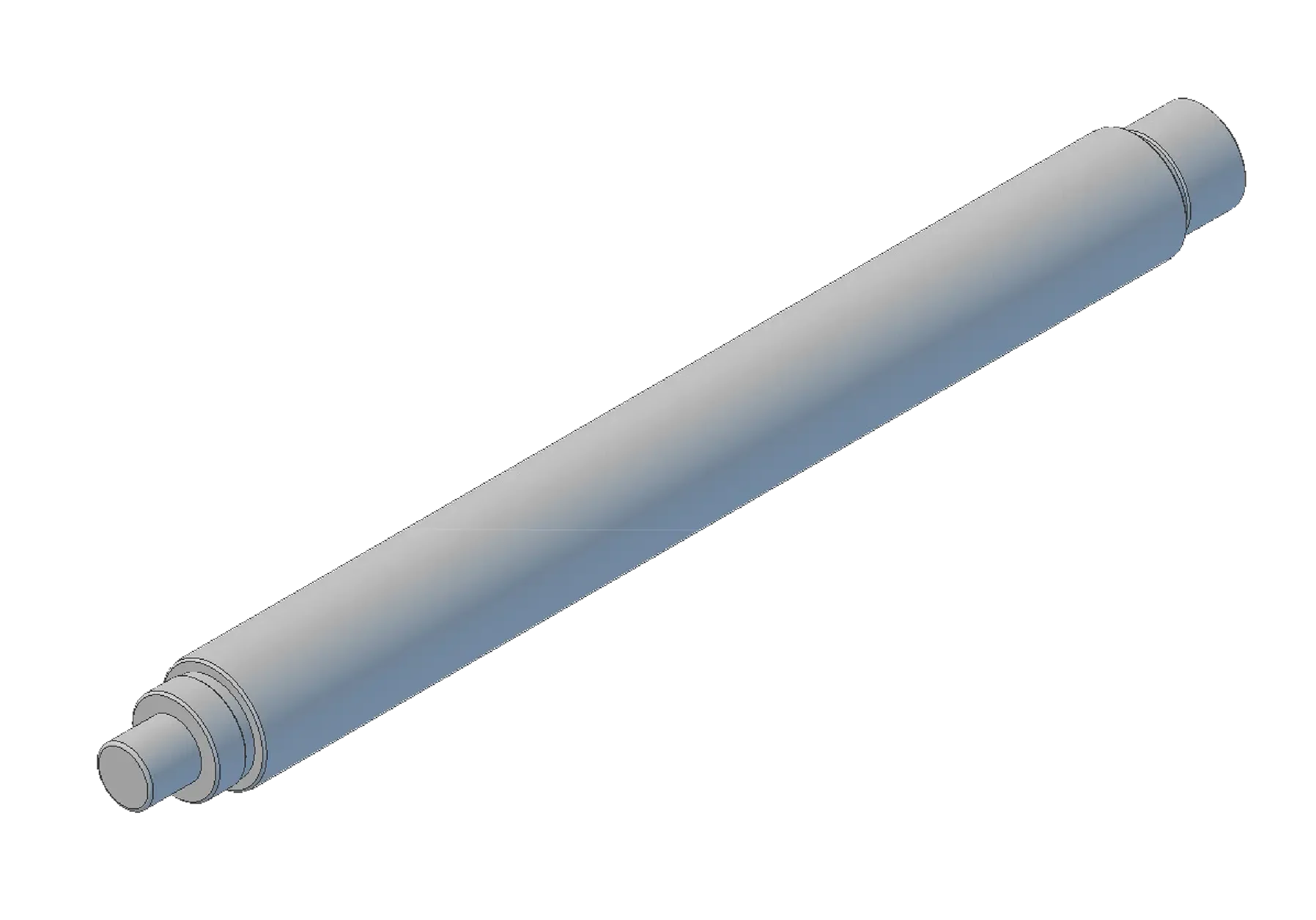
The Gizmotron is a unique musical device that creates sustained, violin-like sounds on a guitar using a series of spinning wheels driven by a precision-machined shaft.
Prior to working with PGI, the customer had experienced quality issues with shafts produced by multiple other suppliers. Even small amounts of runout could introduce vibration, affecting the performance of the final product. Producing acceptable parts often required extensive sorting and inspection, making it difficult to manufacture the component efficiently and consistently.
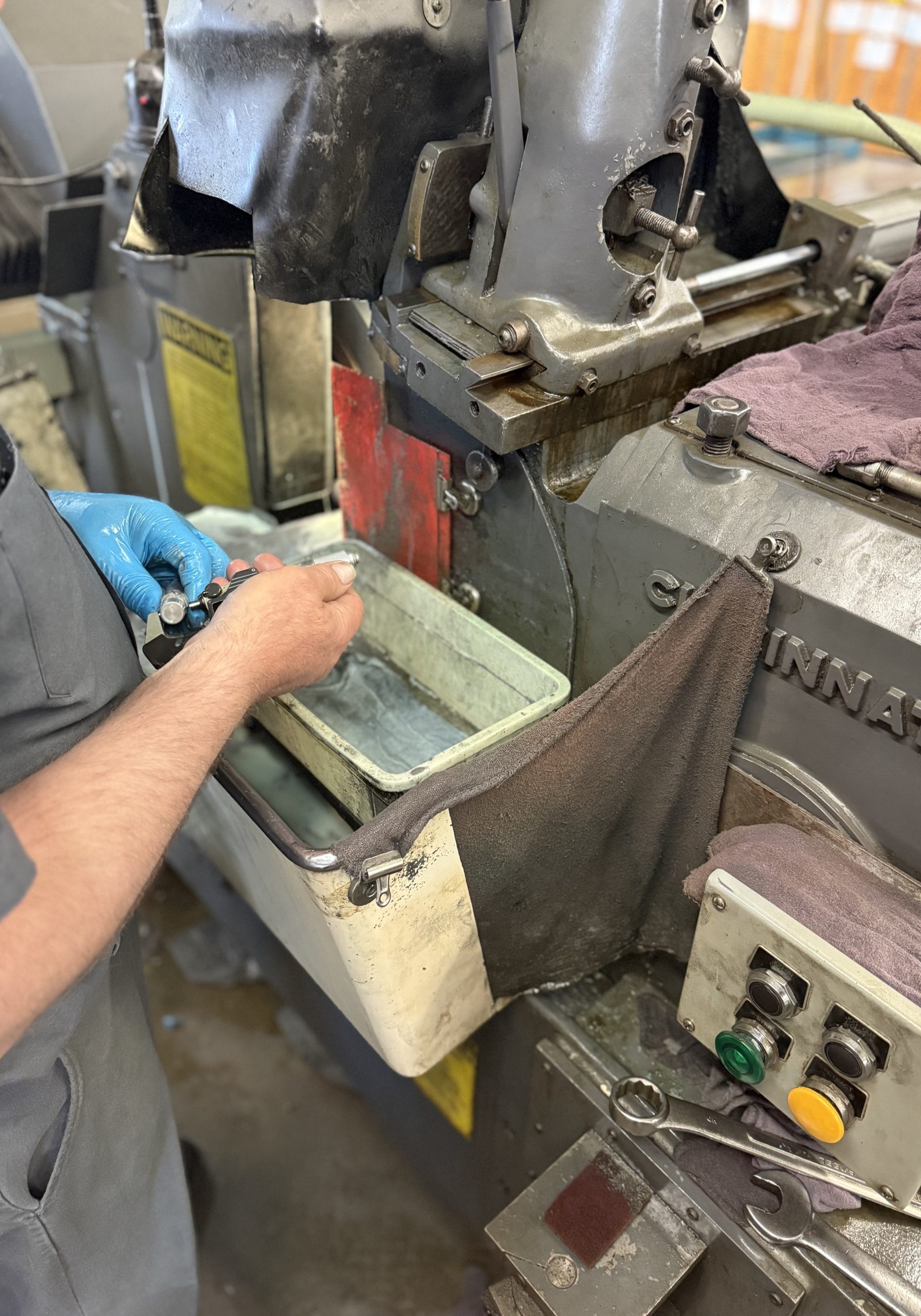
The customer needed a manufacturing partner that could not only machine the shaft, but could also maintain 0.0002 inch runout.
The PGI Approach
After reviewing the design and manufacturing requirements, the team at PGI recognized an opportunity to improve both the part and the manufacturing process.
Rather than producing the component as drawn, PGI worked with the customer to identify a small design modification that would allow the shaft to be manufactured using a centerless grinding process.
The change involved adding relief grooves adjacent to the shaft's primary diameter, making the shaft more efficient to manufacture at the precise specifications the customer needed.
The Solution
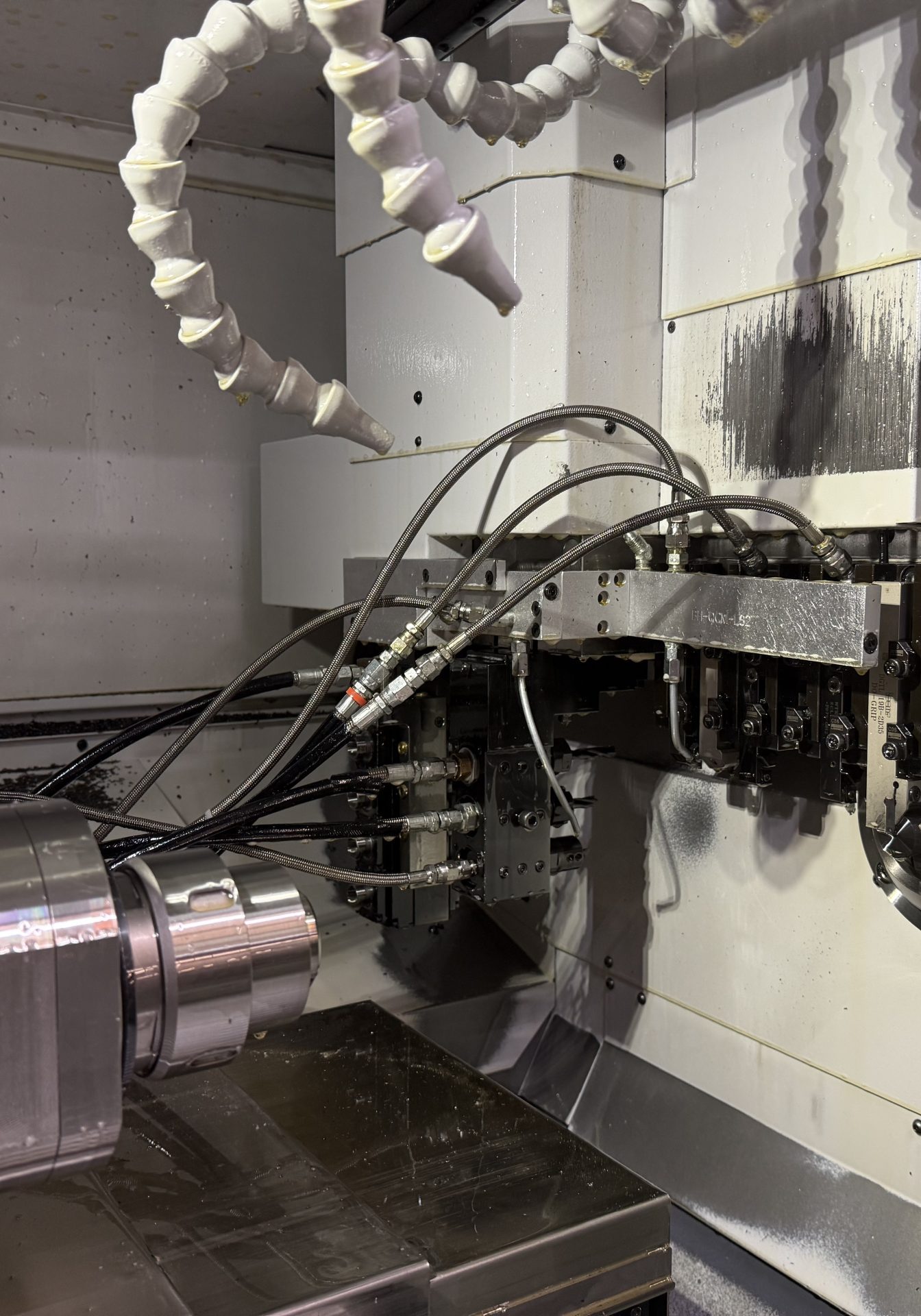
With the revised design, PGI was able to machine the shaft on a Swiss lathe before completing a centerless grinding operation to bring it to tolerance.
The grinding process was engineered so that all three critical diameters could be ground simultaneously. Because the features were generated in a single operation, the diameters remained true to one another, helping ensure smooth rotation and consistent performance in the finished assembly.
By designing the manufacturing process around the functional requirements of the part, PGI was able to achieve the precision needed while maintaining an efficient and scalable production method.

The Results
The new process eliminated the vibration issues that had plagued earlier production efforts.
Beyond the quality improvements, the centerless grinding approach also provided a more economical manufacturing solution than alternative grinding methods. The customer also appreciated the improved assembly process and greater confidence in product performance.
Most importantly, the project demonstrated the value of involving manufacturing expertise early in the process. By working collaboratively with the customer and making design adjustments, PGI helped create a better part, a more efficient process, and a stronger long-term solution.